The Indiana Natural Resources Commission is expected to vote on the proposals Tuesday.
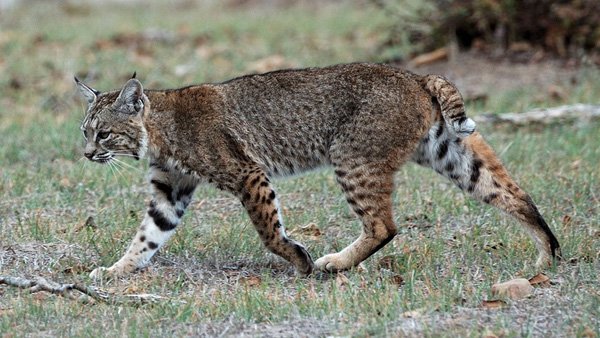
Photo by Don DeBold, Wikipedia.
(Indianapolis, Ind.) - A proposal to create a hunting season for bobcats in Indiana should be revised, the Indiana Department of Natural Resources’ chief administrative law judge has determined.
Bobcats were removed from Indiana’s endangered species list in 2005 after nearly 50 years of protection. Earlier this year, the DNR proposed the reintroduction of bobcat hunting and trapping in southern Indiana counties in 2019. The season with a bag limit of one bobcat per licensed hunter would run from November 8 through January 31.
Another proposal would require animal control workers to kill raccoons, opossums, or coyotes when they are captured.
However, both of the proposed rules changes have received sizable opposition. More than 200 people have attended meetings to speak against them. 2,000-plus comments have been submitted online.
DNR chief administrative law judge Sandra Jensen said in a report that the proposals are minimal and don't fully address the public's concerns.
The Indiana Natural Resources Commission is expected to vote on the proposals Tuesday, May 15.
In a FAQ about the proposed bobcat hunting season, the DNR says “A limited, highly regulated season will allow those with interest the opportunity to hunt or trap bobcats. This season will not jeopardize bobcat populations in Indiana. It will be closely regulated to still allow the bobcat population to thrive.”
 GPS in Stolen Camera Leads to Arrest
 North Vernon Man Arrested Following Multiple Reports of Residential Entry
 Milton Fire & Rescue Awarded $390,450 FEMA SAFER Grant to Support Volunteer Recruitment and Retention